

Can changing demographics end the chaos of the 2020s?
We live in a chaotic time. Wars. Political violence. Social media. Polarization. Climate change. Inflation. Artificial intelligence. A global pandemic. The 2020s have been a difficult decade — and we’re only halfway through it.
What is driving this entropy? Why does this era feel so different from the 1990s or even the mid-2010s?
One possible explanation for the tension facing not just the United States but the world is demographics. As the saying goes, demographics is destiny.
Understanding demographics and their impact
We are at the end of the Baby Boomer generation’s grip on power. Most elected officials and business leaders are still Boomers. They occupy the key nexuses of society — politics, business, media, and culture. Think Donald Trump, Oprah Winfrey, Bill Gates. For decades, this generation has shaped the world’s institutions and decisions.
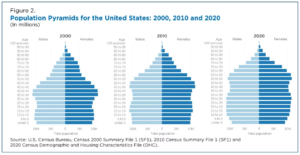
But in doing so, they have largely failed to make room for the next generation of leaders — leaders with different experiences, priorities, and mandates. Many Gen Xers, Millennials, and Gen Z feel shut out of real power. They feel they lack agency over decisions that shape their lives, from affordability and housing to war and technology. It often feels as if the system is designed to reward those already entrenched — those “squatting on power.”
This disconnect has created deep tension between institutions and the broader public. It fuels distrust, conspiracy thinking, and the rise of alternative media. A YouTuber exposing fraud can become more culturally relevant than a traditional network anchor. The center no longer holds — not because people stopped caring, but because they stopped believing.
What could change this?
There is, in fact, a simple answer: the torch will pass.
The Baby Boomers are aging out of power. Inevitably. By the end of this decade, enough leadership positions will be vacated — voluntarily or otherwise — that a generational shift becomes unavoidable. Call this the 2030 hypothesis: a demographic transition that restores agency to younger generations and reshapes institutions accordingly.
This shift could transform politics, business, and culture in ways we can barely imagine — just as past generational realignments have done. In the same way that the MAGA movement marked a break from previous political norms, the coming demographic turnover will open an entirely new chapter.
What that chapter looks like is impossible to predict. But a few things seem likely. It will reflect broader participation. It will elevate different values and priorities. And if history is any guide, it will look very different from what came before.
So the question remains: can 2030 be the turning point?
Will Gen X, Millennials, and Gen Z strike a new tone? Will they rebuild trust and social cohesion? Will society move toward a more stable and cooperative equilibrium — or remain stuck in the high-entropy state of the 2020s?
Only time will tell.
